Guides, meeting directories, and support for people in recovery and the families who love them
The 12-step program originated with Alcoholics Anonymous in 1935 and has since become the most widely used framework for addiction recovery in the world. The steps are a process of honest self-examination, accountability, and spiritual growth. They don't require any specific religious belief. They require willingness.
At The Palm, the 12 steps are the backbone of everything we do. But we don't treat them as a checklist. The steps are a way of understanding yourself, your patterns, and how you relate to other people. When done thoroughly, they produce real behavioral change, not just awareness. If you're unfamiliar with the steps or skeptical of them, that's fine. Most people who end up loving the process started out feeling the same way.
For more information, visit Alcoholics Anonymous or Narcotics Anonymous.
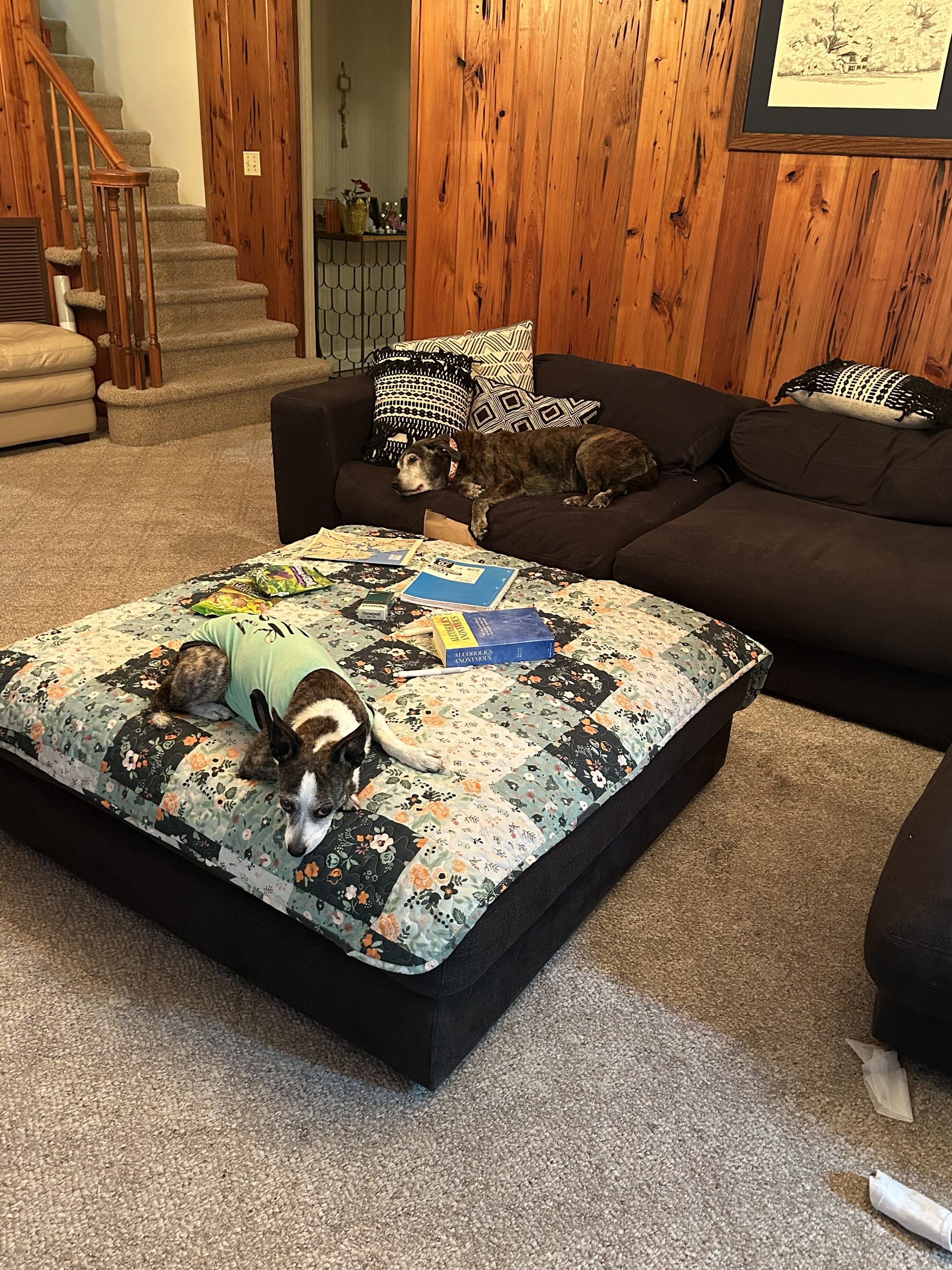
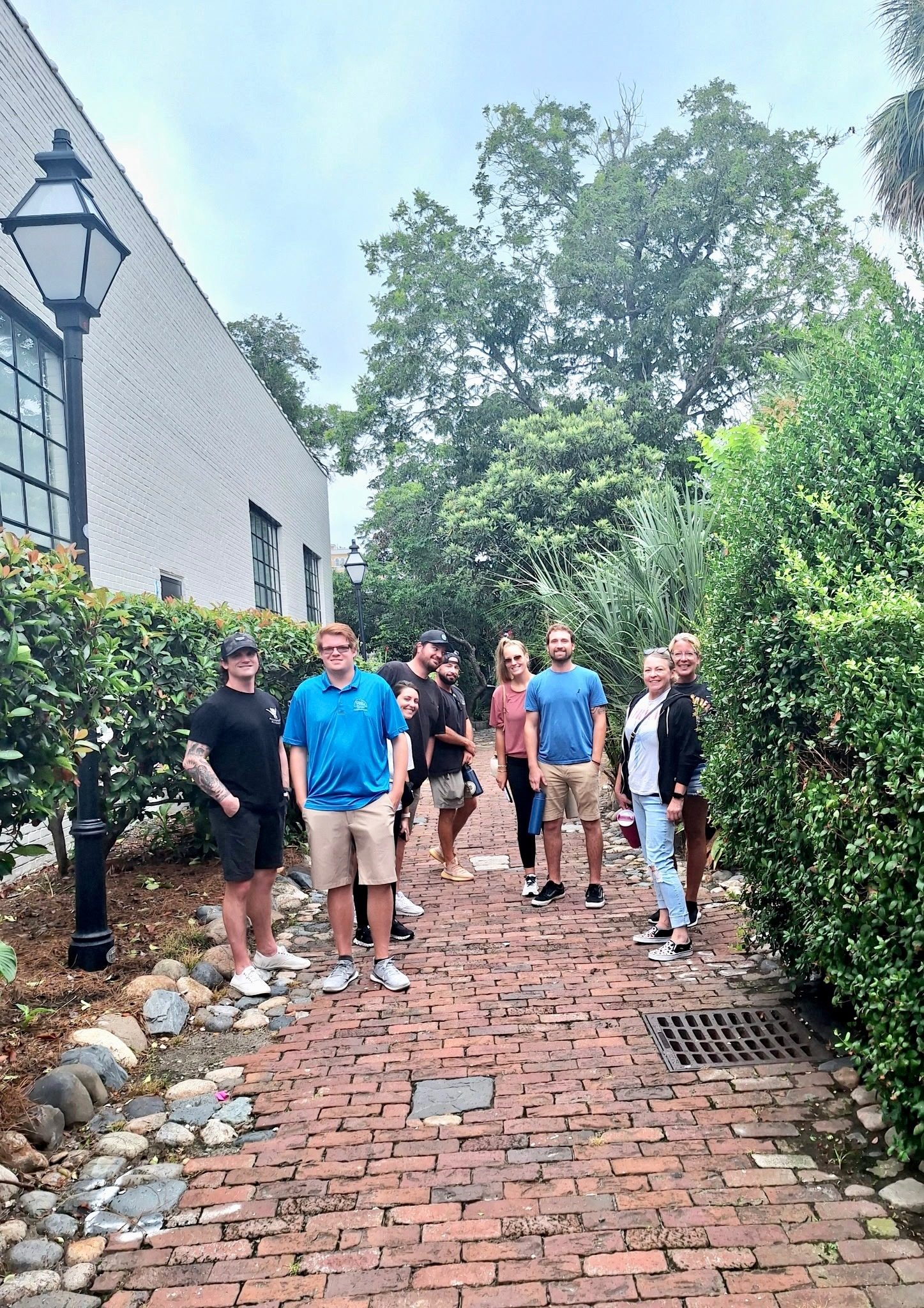
If you're looking for AA meetings, NA meetings, or other 12-step meetings in the Charleston area, there are options every day of the week, morning through evening. Charleston has one of the strongest recovery communities in the Southeast, and getting plugged into local meetings is one of the most important things you can do in early recovery.
Our residents attend meetings throughout the Charleston area during their time at The Palm. We can help connect you with the right meetings for your schedule and situation, whether you're a resident or not.
Tri-County Intergroup (TCIO) — Charleston Area AA
Narcotics Anonymous (NA)
Al-Anon Meetings (for families)
Online AA Meetings
If someone you love is struggling with addiction, you've probably already tried everything you can think of. You've had the conversations, set the ultimatums, maybe even looked the other way hoping it would resolve itself. None of that is your fault, and none of it means you failed.
Addiction affects the whole family. Understanding what addiction actually is, how it works, and what your role can realistically be in someone else's recovery is one of the most important things you can do. You can't force someone to get better, but you can learn how to stop enabling, set healthy boundaries, and take care of yourself in the process.
Programs like Al-Anon and Nar-Anon exist specifically for families and loved ones of people with addiction. We also incorporate family connection into our program at The Palm. If you want to talk about your situation, reach out to us anytime.
Relapse doesn't happen out of nowhere. It usually starts long before someone picks up a drink or a drug. It starts with isolation, with skipping meetings, with old thought patterns creeping back in. A good relapse prevention plan isn't about willpower. It's about recognizing the warning signs early and having a plan for what to do when they show up.
At The Palm, relapse prevention is built into the program from the start, not tacked on at the end. We help residents identify their personal triggers, build a daily routine that supports sobriety, and develop a network of people they can call before things get bad. The goal is to leave here with a plan that actually works in real life, not just on paper.
Addiction rarely exists on its own. Depression, anxiety, trauma, PTSD, and other mental health conditions are common among people in recovery. Sometimes the addiction started as a way to cope with something that was never properly addressed. Getting sober is essential, but it's not always enough by itself.
The Palm is a recovery residence, not a clinical facility. But we help residents connect with licensed therapists, psychiatrists, and counselors in the Charleston area for clinical care alongside their recovery work. Addressing mental health and addiction together gives people the best chance at long-term recovery.
If you're in crisis, contact the 988 Suicide & Crisis Lifeline by calling or texting 988, or the SAMHSA National Helpline at 1-800-662-4357.
If you or someone you know needs immediate help, these resources are available 24/7.
Call or text 988. Free, confidential support for people in distress.
988lifeline.org1-800-662-4357. Free referrals and information for substance abuse and mental health.
samhsa.govText HOME to 741741. Trained crisis counselors available via text message.
crisistextline.orgDependence is a physical condition where your body adapts to a substance. Addiction involves compulsive use despite harmful consequences and loss of control. Someone can be dependent without being addicted, though addiction usually involves dependence. Recovery addresses the patterns, beliefs, and behaviors of addiction.
Recovery is a lifelong process, not a destination. Early recovery (the first year) is typically the most intensive and important period for building new habits and community. However, the work of maintaining recovery—attending meetings, connecting with others, continuing personal growth—continues throughout life. A residential program like The Palm provides crucial initial foundation.
Yes. Medication-assisted treatment (MAT) like buprenorphine or methadone is a legitimate, evidence-based treatment for opioid addiction. Recovery is not about the method—it's about building a sustainable, healthy life. MAT can be a valuable tool that allows people to stabilize, work, and engage in recovery while addressing the neurochemical aspects of addiction.
First, educate yourself about addiction and recovery—it's not a moral failing. Have honest conversations without judgment. Set healthy boundaries. Encourage professional help. Attend family support meetings like Al-Anon or Nar-Anon. You can't force recovery, but you can support it. Taking care of your own mental health is critical.
Relapse is not failure—it's a setback that can be learned from. Many people in long-term recovery have experienced relapse. What matters is that person getting back into recovery as quickly as possible and understanding what triggered the relapse. Recovery communities don't reject people who relapse; they welcome them back with compassion and support.
Recovery paths look different for different people. Some people benefit from therapy, medication, family support, and personal discipline. However, research shows that community support significantly improves outcomes. Whether that's 12-step meetings, other peer support groups, therapy, or residential programs, connection and accountability are crucial. The Palm's recovery residence model focuses on these protective factors.