A recovery residence designed for sustainable, real-world sobriety
The foundation of our program is the 12 steps. They've worked for hundreds of thousands of people, and they work here. A 55-year-old male executive whose drinking finally caught up with him and a 23-year-old woman who abused opiates in a rural town don't seem like they'd have much to say to each other. But we're willing to treat everyone as an individual, with different points of emphasis, without losing the shared experience that is the connective tissue between them. Put them in a room and walk them through the same process, and they start to identify with each other. The details are always different. The patterns rarely are.
The way we teach the steps is designed to elevate awareness, but we've found that awareness is cheap if it's not met by actual behavioral change. Knowing why you do something isn't the same as doing something different. That's the line we push people toward. We want recovery to be functional, not theoretical. By the time someone finishes their step work here, they're not just aware of their patterns. They're actively living differently.
Structure, Not Rigidity
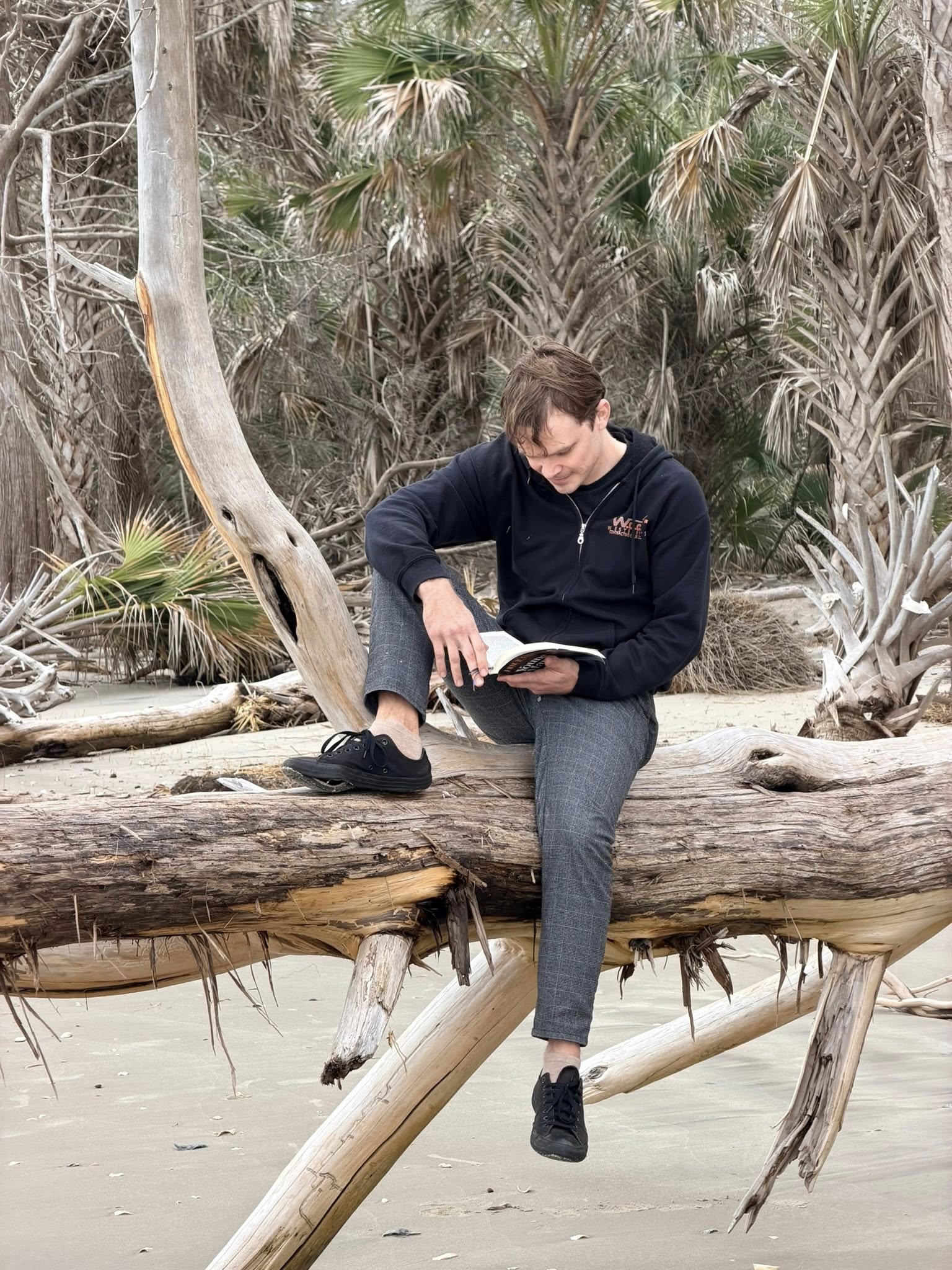
Every day has a rhythm, but we're not running a boot camp. Structure is important, but monotony is the enemy. If you want to hit the gym after the morning meeting or take a walk instead of sitting inside, that's fine. The schedule keeps the day moving. How you move through it is up to you.
Wake up, gratitude & readings, daily planning, breakfast, chores
Instructional meeting, small group step work & check-ins, resident's choice activity
Lunch, breathwork & meditation
Small group step work & check-ins, interactive meeting
Personal time
Dinner, instructional meeting, nightly review
Some days include recovery meetings in Charleston at 12:30 PM or 7:00 PM, or a community outing in place of the regular schedule.
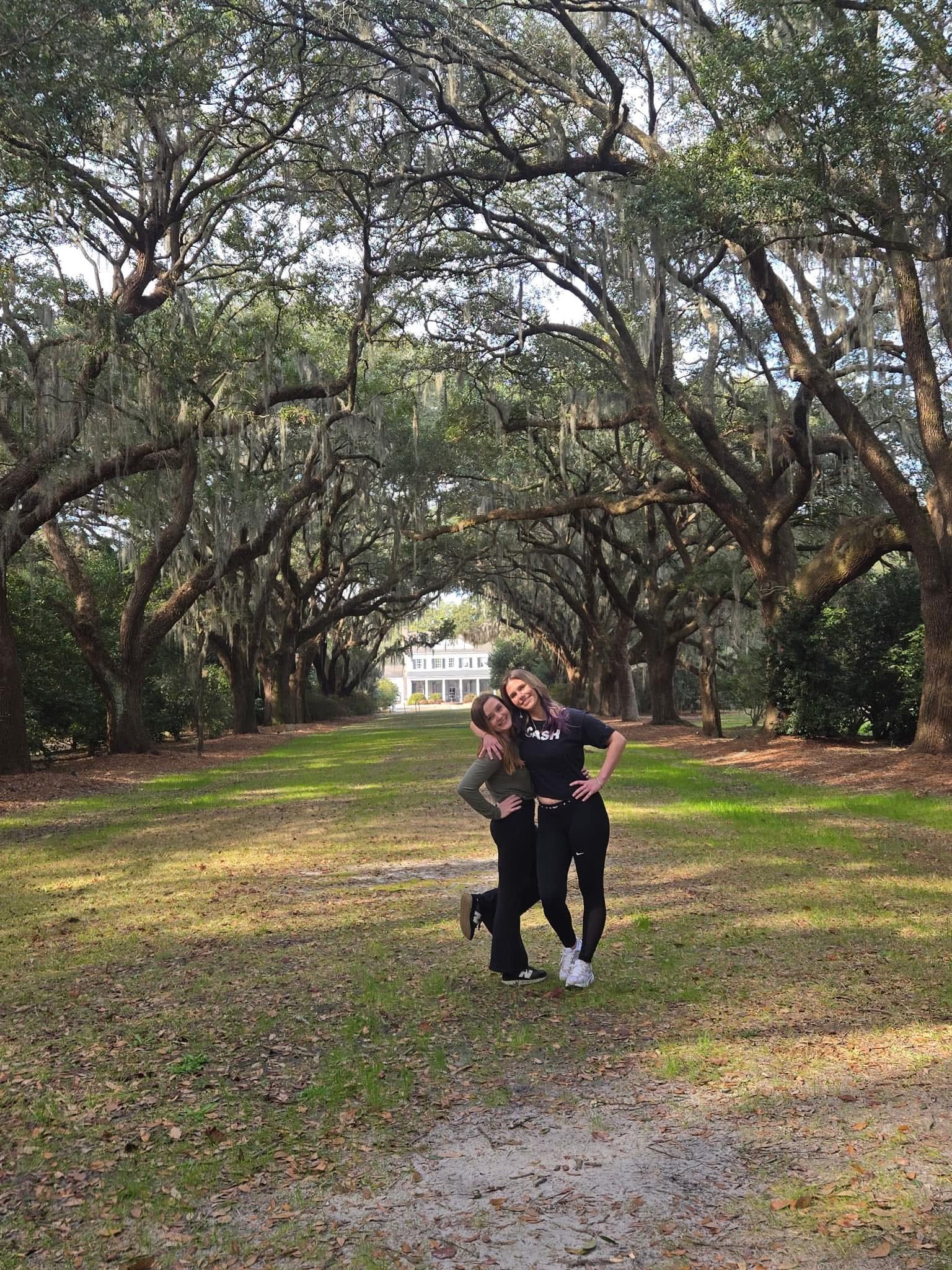
The most powerful tool in recovery is connection with someone who's been through it. At The Palm, residents build relationships with mentors from Charleston's recovery community, people who've worked the steps and maintained long-term sobriety.
One thing we emphasize is that our mentors aren't all people who work in the recovery field. That's intentional. We want residents to see examples of recovery that look like regular life: people with careers, families, hobbies, and full lives who happen to also be in recovery. The message isn't that sobriety becomes your whole identity. It's that sobriety is the foundation you build everything else on.
Addiction doesn't happen in isolation and recovery shouldn't either. By the time someone gets to us, the people who love them have been through it too. We bring families into the process, not to point fingers or rehash the past, but to start building something healthier together.
That looks different for every family. For some it's regular check-ins and honest conversations that weren't possible before. For others it's learning what addiction actually is, so they can stop taking it personally and start understanding what their person is going through. The goal is the same either way: connection that supports recovery instead of working against it.
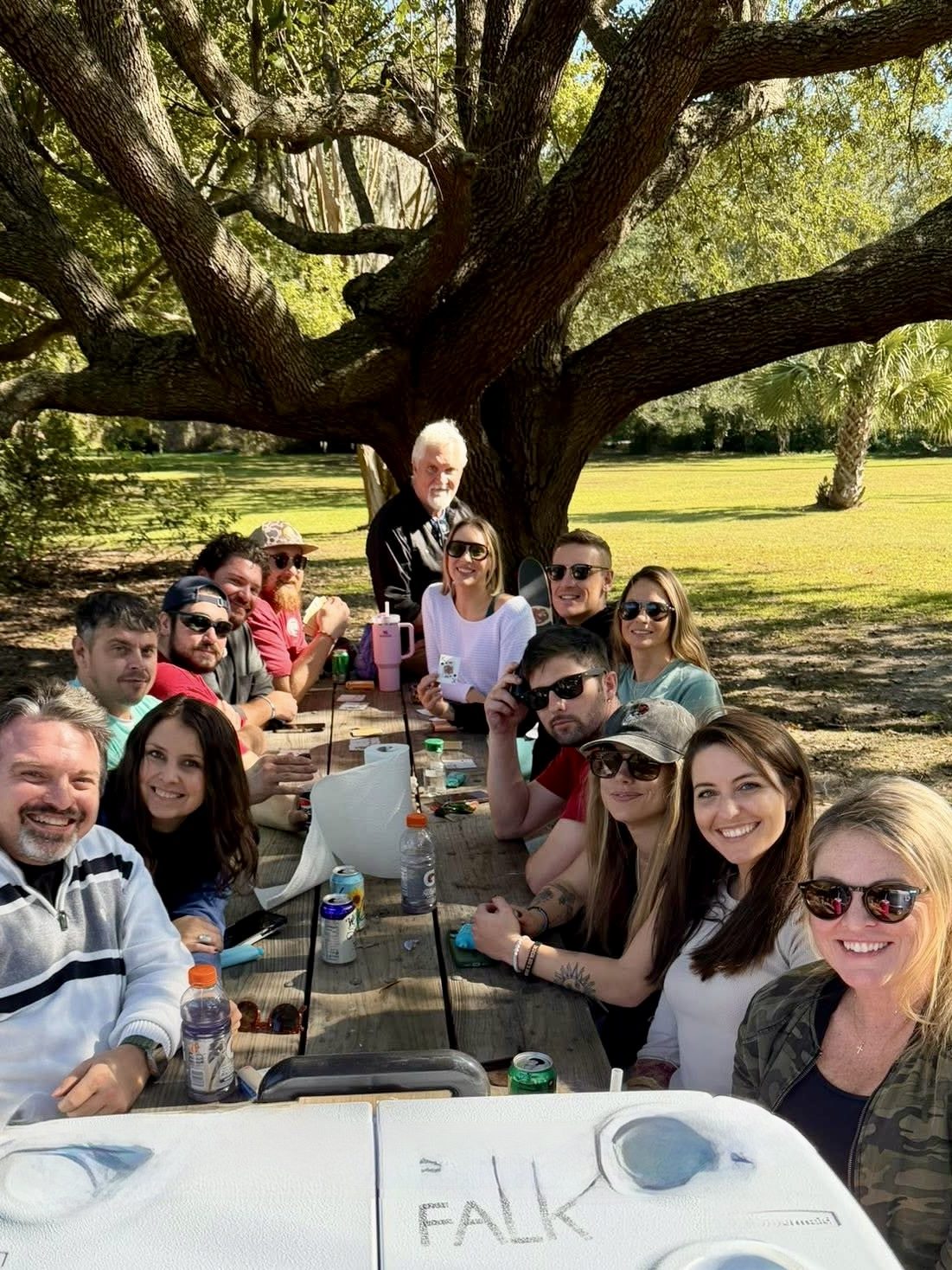
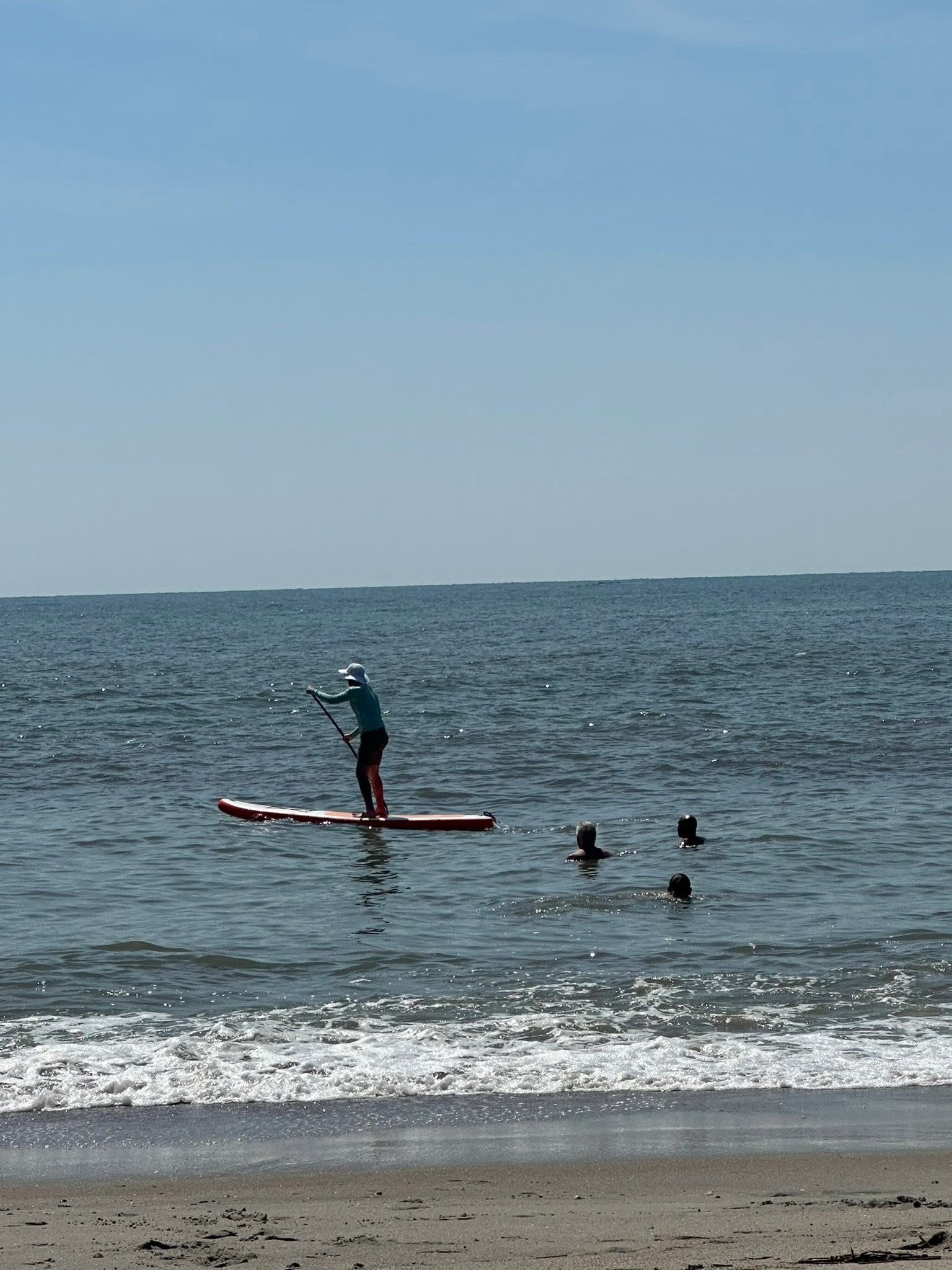
If recovery is just meetings and step work and nothing else, people burn out. We've seen it. The whole point is to build a life you actually want to live, and that means doing things you enjoy with people you care about.
Beach days, paddleboarding, volleyball on the property, group outings around Charleston, cookouts, pickup games, whatever it is. These aren't filler activities to kill time between sessions. They're where people start to remember what it feels like to have fun without a substance involved. That matters more than people think.
The Palm is a recovery residence, not a clinical facility. But we know that a lot of people coming through here benefit from working with a therapist, psychiatrist, or counselor alongside the work they're doing with us. It's completely optional and up to each resident.
Any clinical care happens virtually or off-site, and the cost is covered independently, not as part of our program. We help residents connect with licensed providers in the Charleston area and coordinate care so everything works together. You choose your own clinician, arrange it on your own terms, and we make sure the clinical side and the recovery side are talking to each other. It's your care. We just help you put it together.
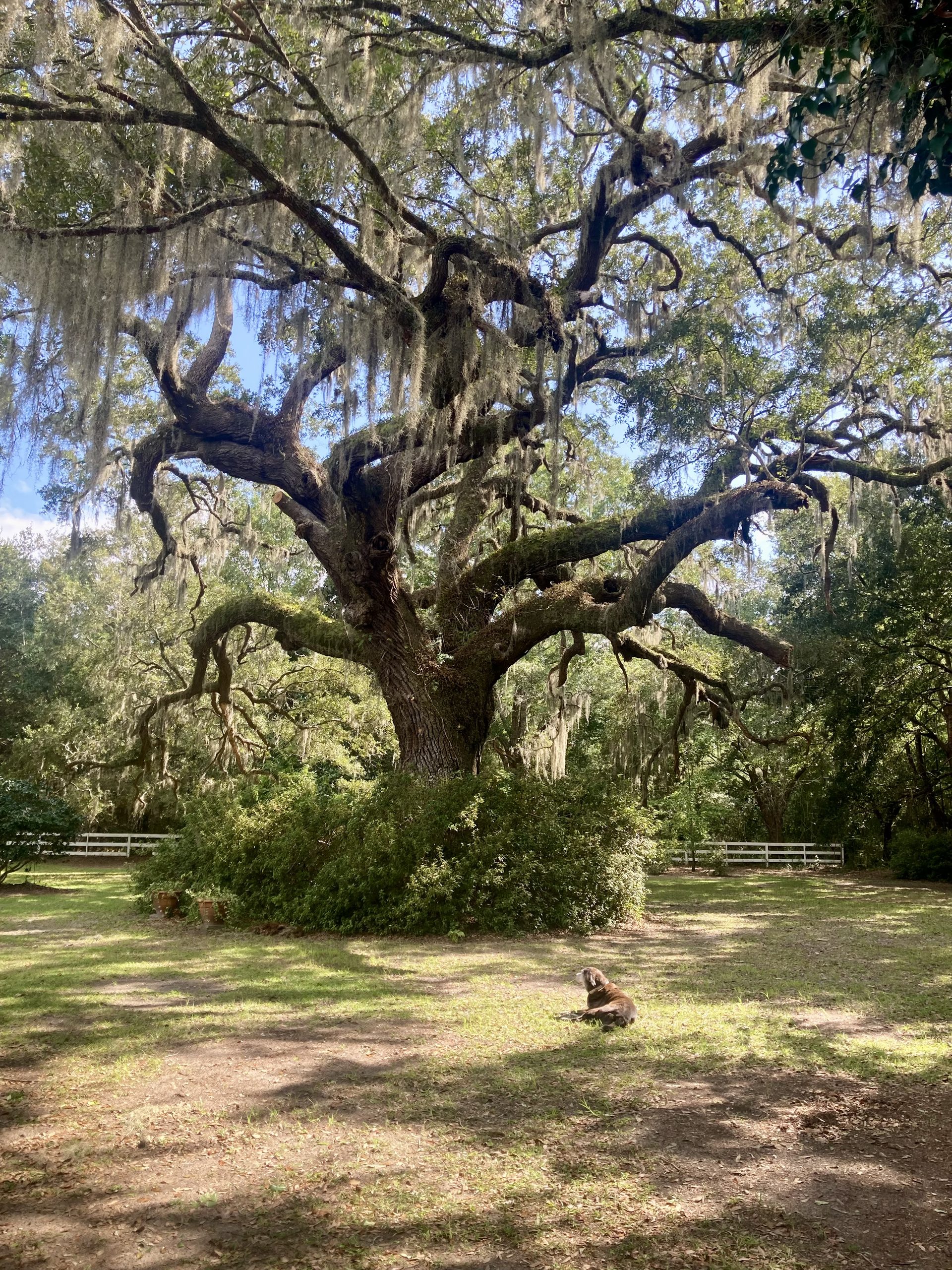
We start thinking about what comes next from the beginning, not the last week. Where are you going to live? What does your support system look like when you leave? Do you have a sponsor, a home group, a job or a plan to get one? These aren't afterthoughts. They're built into the program from day one.
By the time someone transitions out of The Palm, they've already been living in the real world for weeks. They've been going to meetings in Charleston, building relationships, working, and practicing everything they've learned while they still have a safety net. Leaving isn't a cliff. It's a step they've already been walking toward.
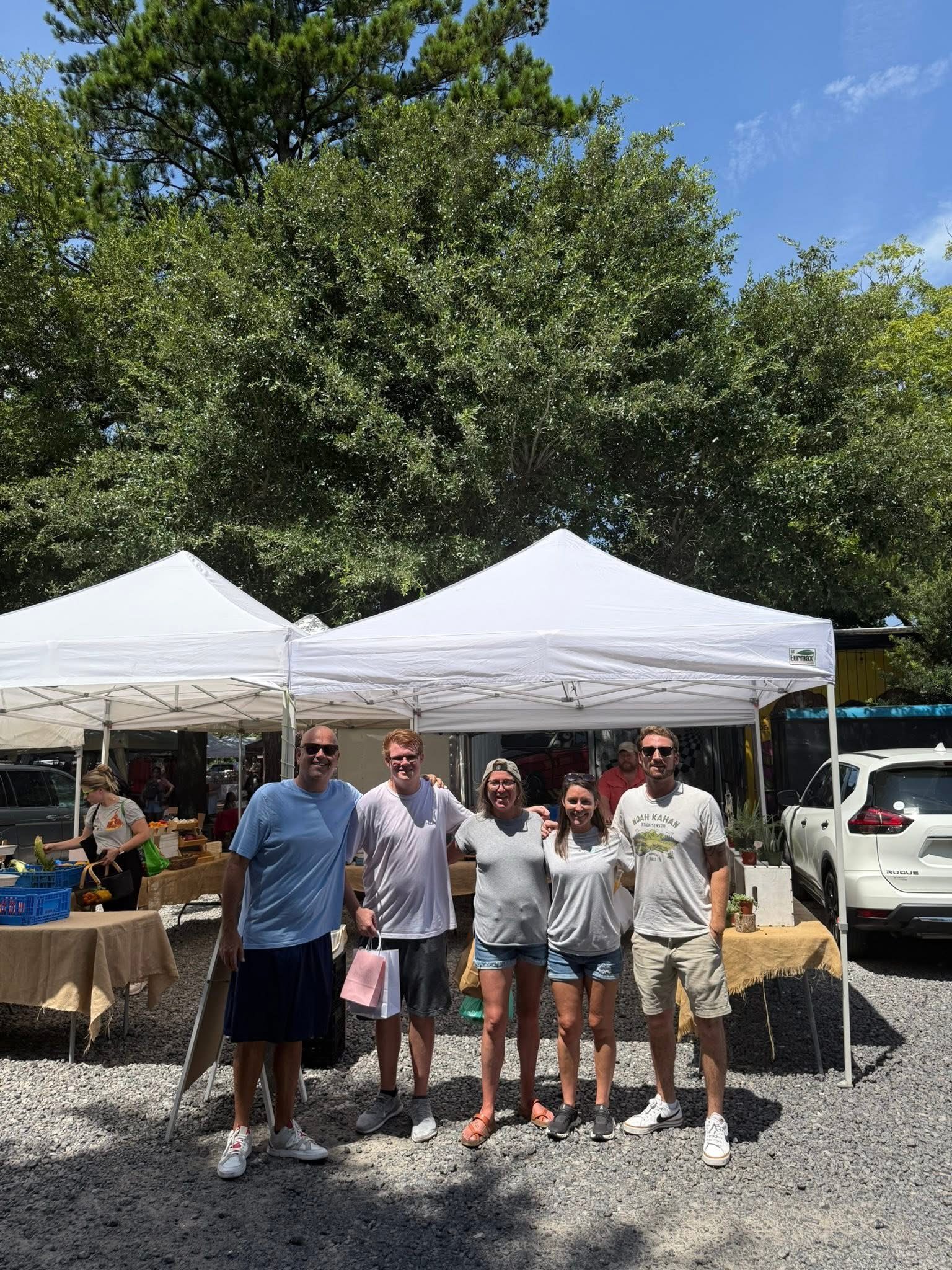
We work with many people for whom previous attempts at recovery haven't stuck. What matters isn't your history—it's your willingness now. Many people need to find the right environment, the right community, and the right support structure. The Palm is designed with that in mind, and we have extensive experience helping people who've struggled before find lasting recovery.
No. The 12 steps reference a "higher power" but this is interpreted broadly. Many people find their higher power in the community, in nature, in reason, or in whatever makes sense to them spiritually. Our mentors and facilitators help each person work the steps in a way that aligns with their beliefs and values.
Yes. In fact, we encourage it. Maintaining employment or continuing school is part of real-world recovery. We structure the program to support this, and many residents balance work commitments with their recovery work. We can discuss your specific situation during admissions.
Programs range from 30 to 90 days, but length isn't one-size-fits-all. Some people need more time to build stability; others benefit from a shorter, more focused immersion. We discuss your specific needs during admissions and adjust as your recovery progresses.
Transition is built into the program from day one. We help you identify ongoing community meetings, establish continuing mentorship, develop relapse prevention strategies, and build sustainable structures for your recovery. Many alumni remain connected to The Palm and to one another through alumni events and ongoing support.
We are built by people in recovery, for people in recovery. Every staff member has lived experience. We emphasize community over isolation, real-world integration over retreat, and mentorship from people who've recovered. Our property, philosophy, and people all reflect that commitment to authentic, sustainable recovery.